
Dollar-Cost Averaging Into Crypto
Dollar-cost averaging crypto means buying a fixed dollar amount on a set schedule. Learn how it lowers your average cost, with a simple worked example.
Dollar-cost averaging crypto means buying a fixed dollar amount on a set schedule. Learn how it lowers your average cost, with a simple worked example.
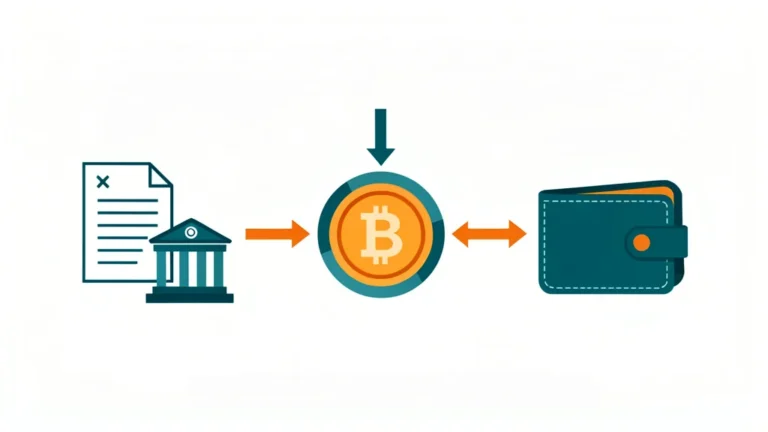
Crypto tax basics for US taxpayers: the IRS treats crypto as property, so selling, trading, spending, or earning it can trigger taxes you must report.
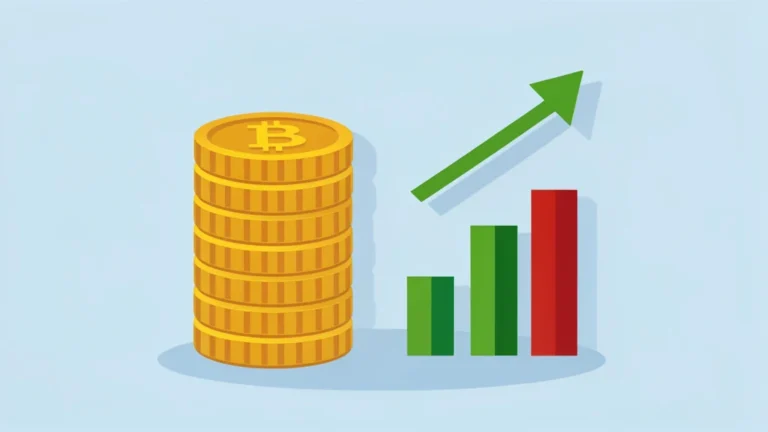
Learn how to calculate crypto profit and loss: profit equals proceeds minus cost basis minus fees. See a worked ETH example, ROI percentage, and average cost.
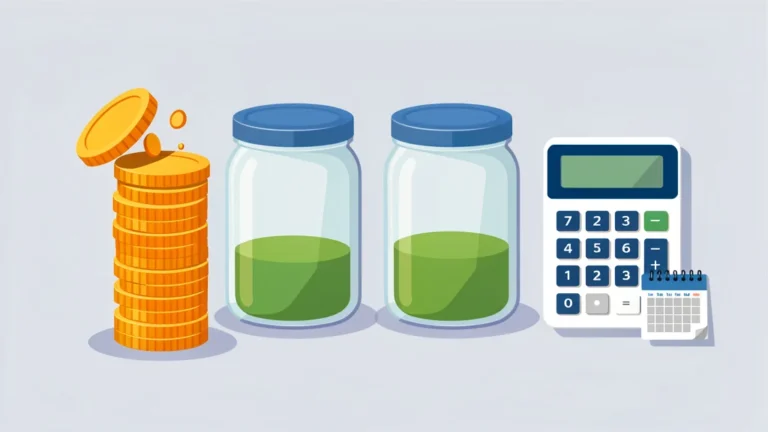
Not sure how much to save for self-employment taxes? Set aside about 25% to 30% of your net 1099 income to cover the 15.3% SE tax plus income tax.
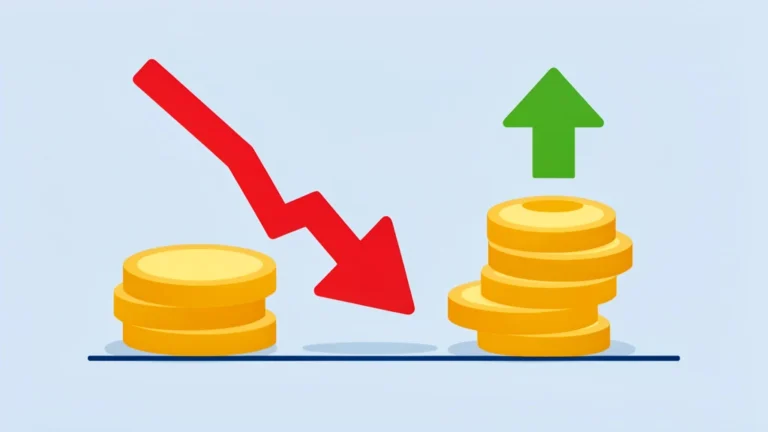
Tax-loss harvesting means selling investments at a loss to offset capital gains and lower your taxes. Learn the rules, the $3,000 limit, and a clear example.

Learn how to calculate your effective tax rate with a simple formula and a worked example, and see why it is always lower than your top tax bracket.

Standard vs itemized deductions made simple: the standard deduction is a flat amount, itemizing adds up real costs, and you take whichever total is larger.

Sales tax by state varies a lot. There is no federal sales tax, so each state sets a base rate and local areas add more for a combined rate. See how it works.
How property tax is calculated: your home’s assessed value times the local tax or mill rate, minus exemptions. See the formula, a worked example, and how to appeal.

Capital gains tax is the tax on profit when you sell an asset for more than you paid. See short-term vs long-term rates (0/15/20%) and a worked example.