
How to Analyze a Rental Property Deal
How to analyze a rental property: estimate income, subtract all expenses to get NOI, then subtract the mortgage for cash flow, and check the return metrics.
How to analyze a rental property: estimate income, subtract all expenses to get NOI, then subtract the mortgage for cash flow, and check the return metrics.

Gross rent multiplier (GRM) is property price divided by gross annual rent. Learn how to use GRM to screen and compare rental deals fast, plus its limits.

Learn how to calculate rental yield step by step. Gross yield is annual rent divided by property value; net yield subtracts costs. Worked example inside.
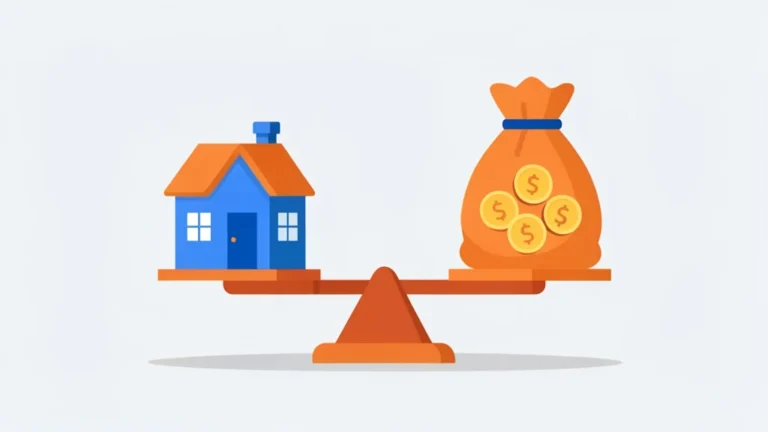
The 1% rule says monthly rent should be at least 1% of a property’s purchase price. Learn how to apply this fast rental screen, with examples and limits.
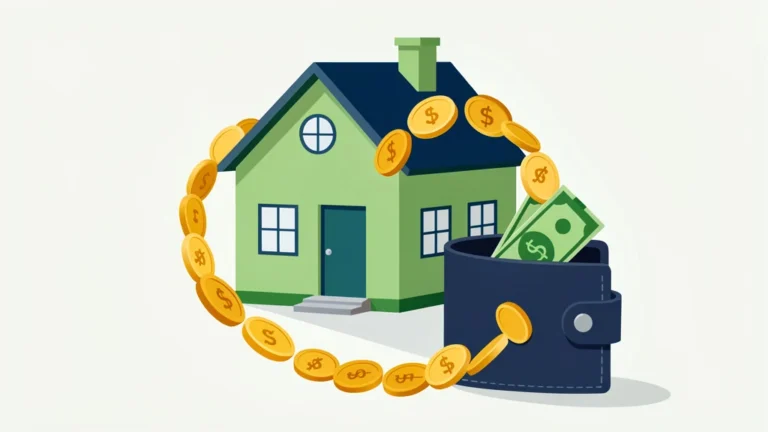
Cash-on-cash return is your annual pre-tax cash flow divided by the total cash you invested, shown as a percent. See the formula and a worked example.
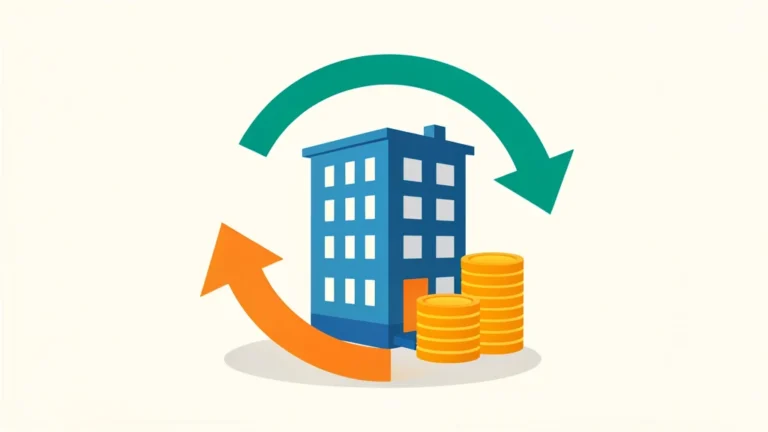
Cap rate explained: it is a rental property’s net operating income divided by its price, shown as a percent. See the formula, a worked example, and more.
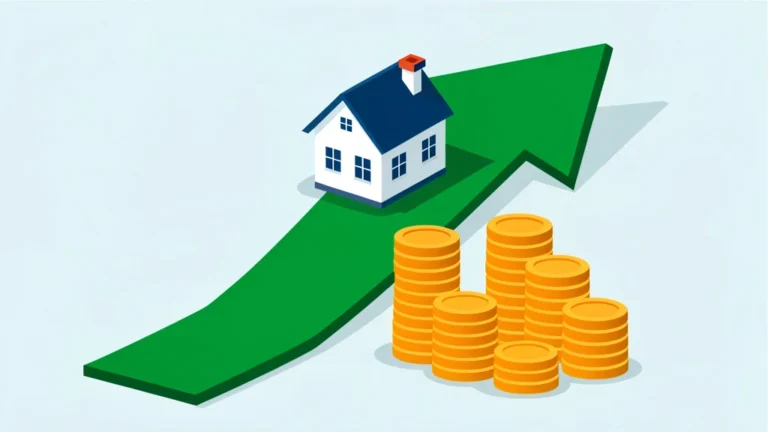
Learn how to calculate rental property ROI with a simple formula. Divide your annual return by total money invested, times 100, with worked examples.
Learn how to lower your insurance premiums with proven steps: shop yearly, bundle policies, raise your deductible, claim every discount, and drop unused coverage.

How insurance deductibles work: a deductible is what you pay before coverage starts. See how it trades off with your premium, plus a clear worked example.

Learn how car insurance premiums are calculated: driving record, age, location, vehicle, mileage, coverage, and credit all shape your final yearly price.