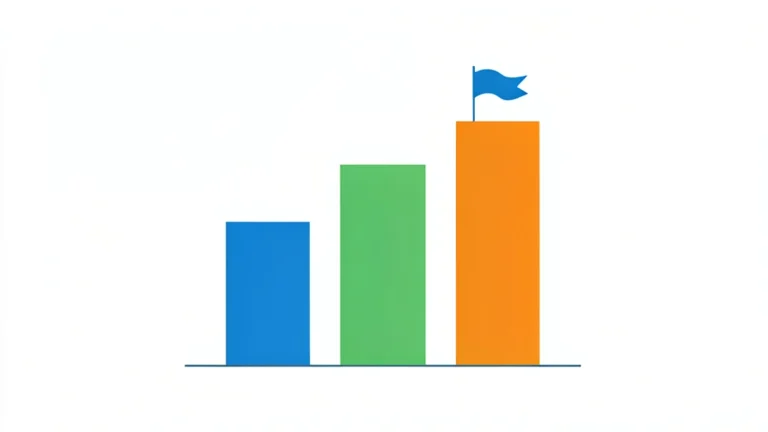
5K, 10K, and Marathon Pace Charts
See 5K, 10K, and marathon pace charts that match your goal finish time to the exact pace per mile you need to hold, so you can race with a clear plan.
See 5K, 10K, and marathon pace charts that match your goal finish time to the exact pace per mile you need to hold, so you can race with a clear plan.
Learn how to calculate your running pace with a simple time divided by distance formula, a worked example, and easy min/mile to min/km pace conversions.
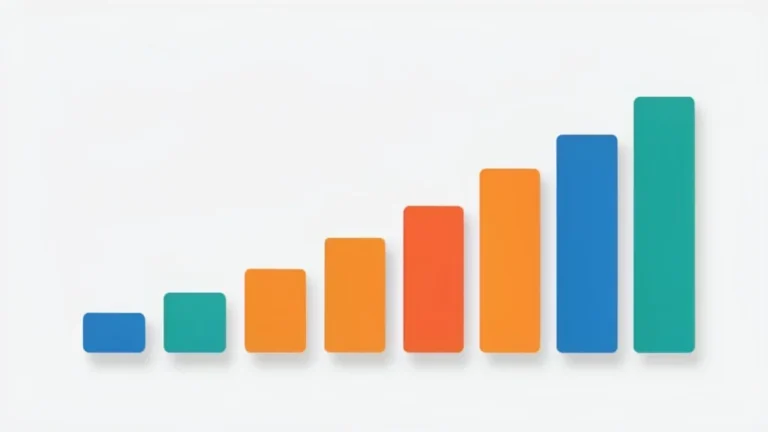
See calories burned by activity in one chart, from yoga to running, at a 70 kg reference weight, plus how to adjust the numbers for your own body weight.
Waist circumference and health risk, explained simply: how to measure your waist, the higher-risk thresholds for men and women, and the waist-to-height 0.5 rule.
Body frame size shifts your ideal weight range up or down. Learn how to estimate a small, medium, or large frame and why it changes your healthy weight.
Body recomposition means losing fat and building muscle at the same time, often with little scale change. Learn who it works for, the levers, and how to track it.
A healthy body fat percentage depends on your sex and age. See general body fat ranges for men and women, the common categories, and how they shift with age.
Lean body mass is everything in your body that is not fat. Learn the simple formula, a worked example, and why LBM matters for metabolism and strength.

Impermanent loss is the gap between holding tokens and adding them to a liquidity pool. Learn how to calculate it with a simple formula and a worked example.
How staking rewards are calculated, explained simply: what staking is, APR vs APY, the reward formula, a worked example with compounding, and the risks.