
Baker’s Percentage Explained: How to Scale Any Bread Formula
Baker’s percentage writes each ingredient as a percent of flour weight. See the formula, hydration, scaling, and how to work back from a dough weight.
Baker’s percentage writes each ingredient as a percent of flour weight. See the formula, hydration, scaling, and how to work back from a dough weight.
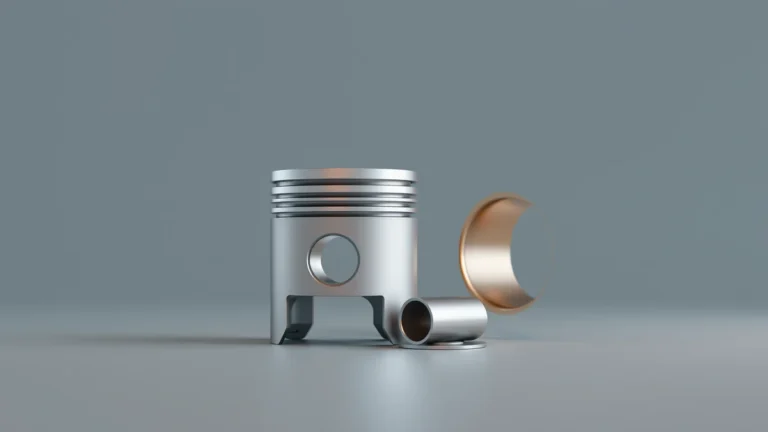
Calculate engine displacement from bore, stroke and cylinders. See the formula, cc to liters and cubic inches, four worked examples, and the bore/stroke ratio.

A Julian date can mean the day of the year or the Julian Day Number near 2.46 million. See how each works, with a worked example for October 6, 2026.

Learn how to convert military time in two steps. See the AM and PM rules, the 12 AM and 12 PM traps, a full table, and a worked example.

See what a 60 W incandescent and an 8 W LED really cost to run, with a worked example, payback time, rate and hours sensitivity, and bulb life.

Match ceiling fan size to room area with the ENERGY STAR chart, from 29 to 54 inches. Learn the right mounting height, wall distance and downrod.
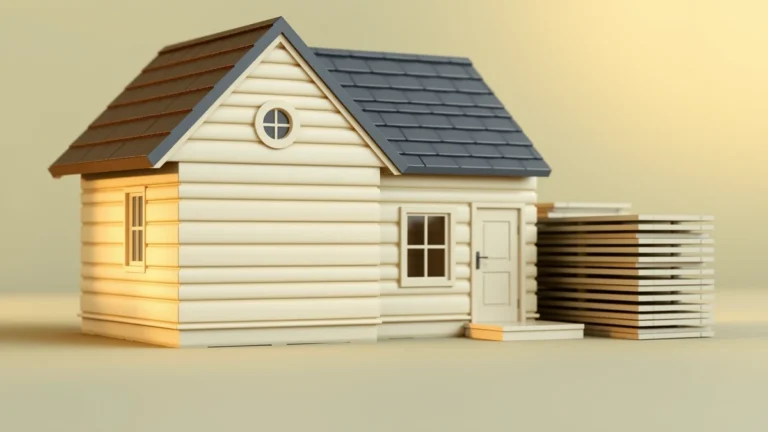
Learn how to calculate siding for a house: wall area, gables, openings, waste, and squares, with a full worked example.

To count wall studs, divide the length in inches by the spacing, round down, and add one. See a 20 ft worked example, 16 vs 24 inch spacing and code limits.

The 401(k) super catch-up lets ages 60 to 63 add $11,250 in 2026 for a $35,750 total, but high earners must make catch-ups as Roth.

HSA contribution limits are $4,400 self-only and $8,750 family in 2026. See the 2027 amounts, the $1,000 catch-up, and the last-month and proration rules.