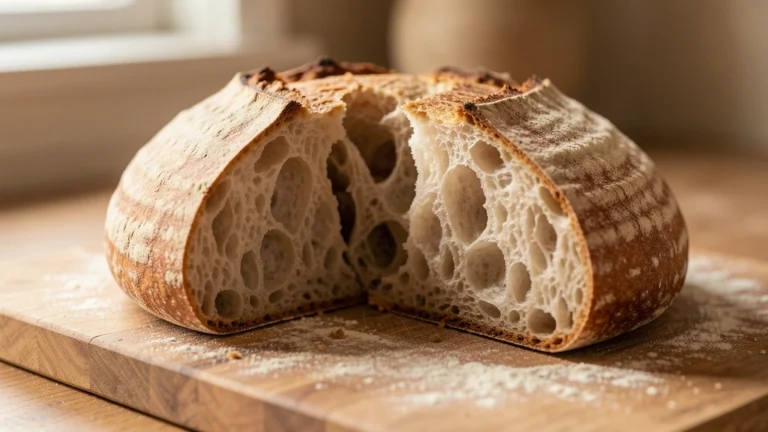
Sourdough Hydration Explained
What baker’s percentage really means, how hydration changes the crumb, and the hydration ranges to aim for from stiff bagels to open ciabatta.
What baker’s percentage really means, how hydration changes the crumb, and the hydration ranges to aim for from stiff bagels to open ciabatta.
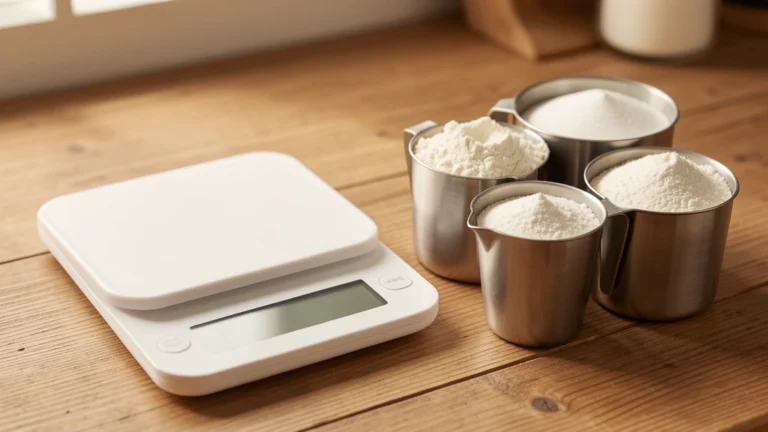
Why a cup of flour and a cup of sugar weigh completely different amounts, when to weigh instead of measure, and how US and metric cups differ.

A two-step method to turn megapixels into print size, the reverse math for a target print, and the viewing-distance rule behind lower DPI for big prints.

What image resolution means, how native resolution works, why megapixels and upscaling mislead, and how many pixels web, social, and 4K need.

How bitrate, length, and quality set a video’s file size, with quick mental math and how to pick a bitrate for uploads, streaming, and storage.

What DPI and PPI really mean, why they get confused, and the practical resolution rules for sharp prints and crisp screen images.
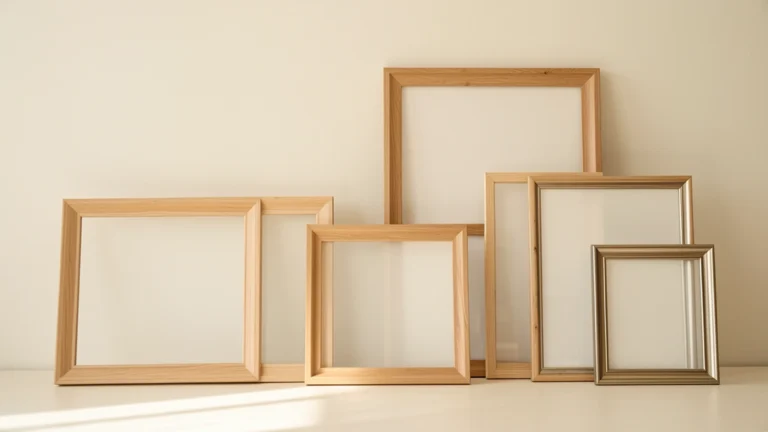
What 16:9, 4:3, 3:2, 1:1, and 9:16 mean, where each comes from, and how to choose the right aspect ratio for video, photos, and social.
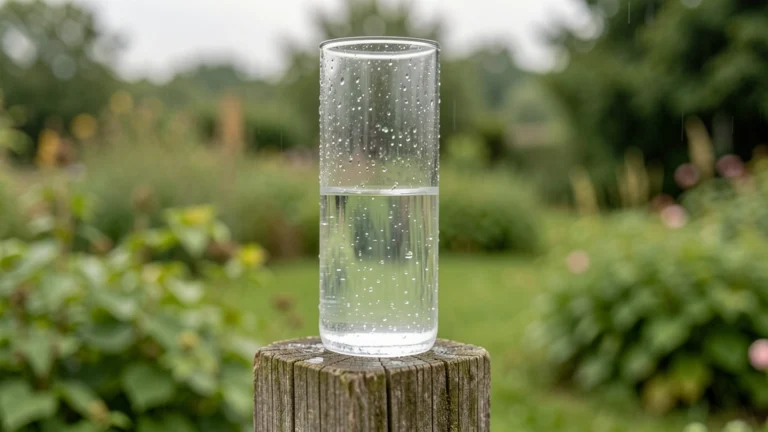
How to read a 4-inch or 8-inch rain gauge, measure at a set time, add daily readings into monthly and yearly totals, convert inches to mm, and count snow.

What the UV index measures, how the number is built from skin-weighted UV, what each category means, and why altitude, cloud, and snow change it.

Why the dew point beats relative humidity as a comfort guide, shown through one day where humidity falls from 90 to 39 percent while the dew point holds.