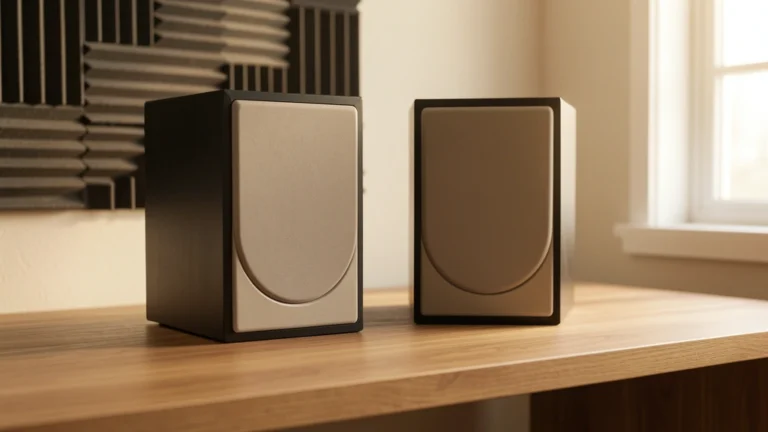
Decibels Explained
Decibels compare sound levels on a log scale. Learn the 10 x log10 rule, why two 80 dB sources make 83 dB, and why distance cuts 6 dB.
Decibels compare sound levels on a log scale. Learn the 10 x log10 rule, why two 80 dB sources make 83 dB, and why distance cuts 6 dB.
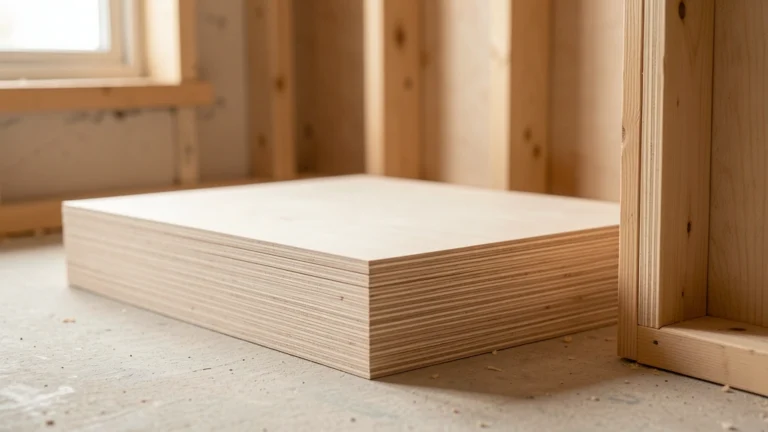
A 4 by 8 sheet of plywood covers 32 square feet. Learn the sheet-count formula, how much waste to add, and when a cut plan beats the area math.
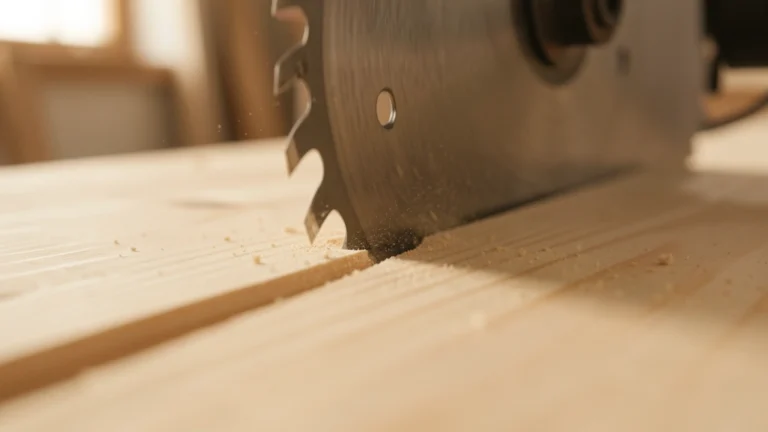
Saw kerf is the wood a blade turns to sawdust. Learn typical kerf widths, how kerf adds up across cuts, and how to plan a cut list with it.
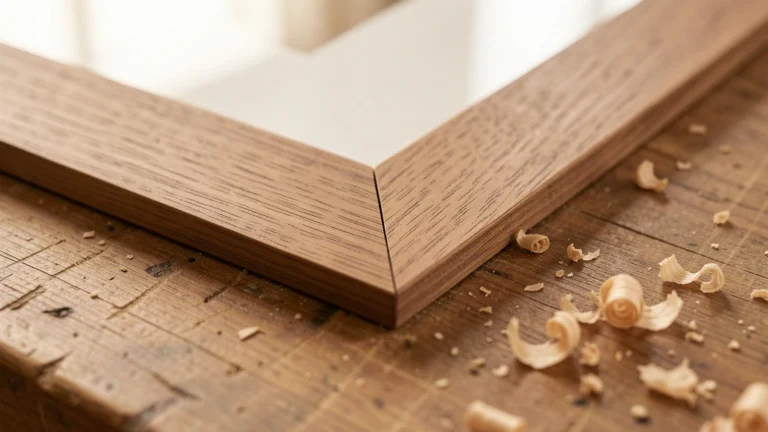
Set your miter saw to 180 divided by the number of sides. Learn the rule for any frame, how to split uneven corners, and why small errors open gaps.
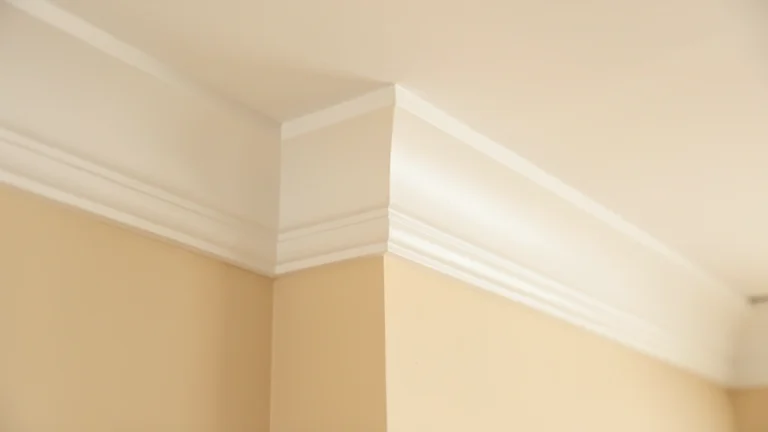
Crown molding needs a miter and a bevel at once. Learn the spring angle, the two formulas, the 38 and 45 degree settings, and flat vs nested cuts.
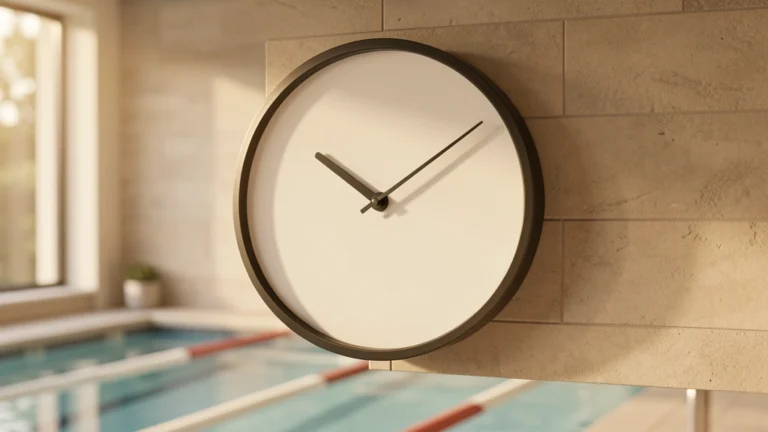
A send-off is your swim time plus your rest. Learn to read sets like 10 x 100 on 1:40, pick rest for your goal, and use the pace clock.
SWOLF adds your seconds and strokes for one pool length. Learn the formula, why lower is better, and why pool length changes the score.
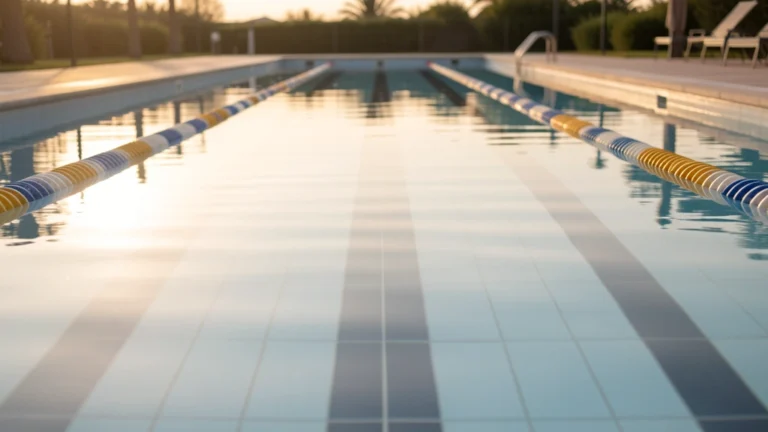
Critical swim speed is your threshold pace in the pool. Learn the 400 m and 200 m test, the CSS formula, worked examples, and how to train with it.

Each ND filter stop doubles your shutter time. Learn how ND numbers, stops, and optical density connect, and how to work out any long exposure.
Crop factor compares a sensor to full frame. Learn equivalent focal length, equivalent aperture, field of view, and why the lens never changes.