
Correlation vs Causation Explained
Correlation vs causation explained in plain terms: why two variables moving together never proves one causes the other, plus the classic confounding example.
 Shakeel Muzaffar
Correlation vs causation explained in plain terms: why two variables moving together never proves one causes the other, plus the classic confounding example.

Combinations vs permutations explained plainly: permutations count order, combinations do not. See both formulas and a worked example side by side.

Probability vs odds explained simply: probability is a fraction of outcomes, odds is a ratio of wins to losses, with formulas to convert between them.

A confidence interval is a range of values likely to hold the true population mean. See the formula, a full worked example, and what changes its width.
The ideal gas law (PV = nRT) links pressure, volume, moles, and temperature for a gas. See what each letter means, the R value, and a full worked example.
Learn how to do dilution calculations with the C1V1 = C2V2 formula, how to solve for any unknown variable, and a complete worked example step by step.
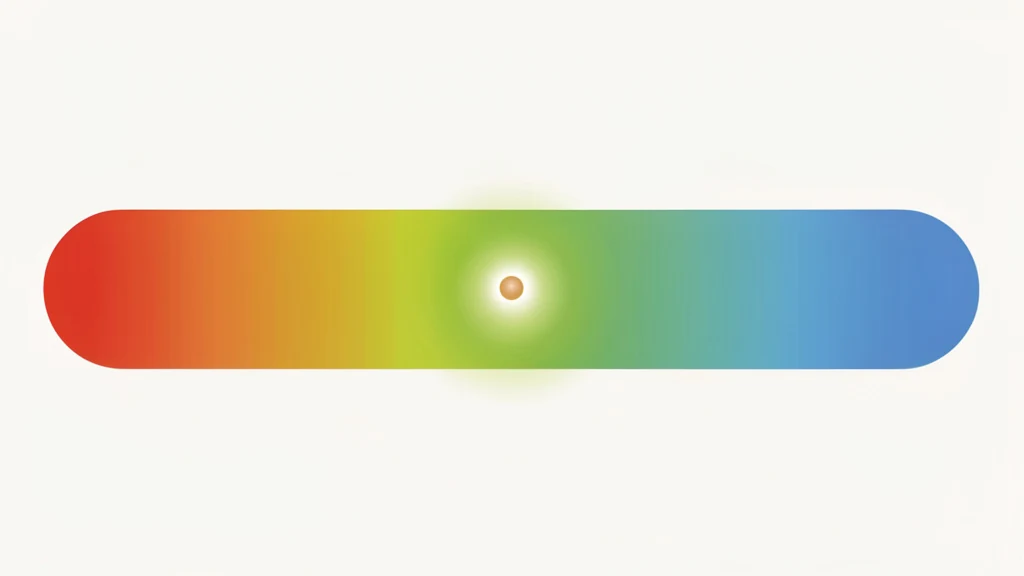
pH measures how acidic or basic a solution is on a 0 to 14 scale. Learn the pH formula, a worked example, and why each pH step is a 10x change.
Moles and Avogadro’s number explained: what a mole means, why 6.022 x 10^23 matters, and the formulas to turn mass into moles and particle counts.
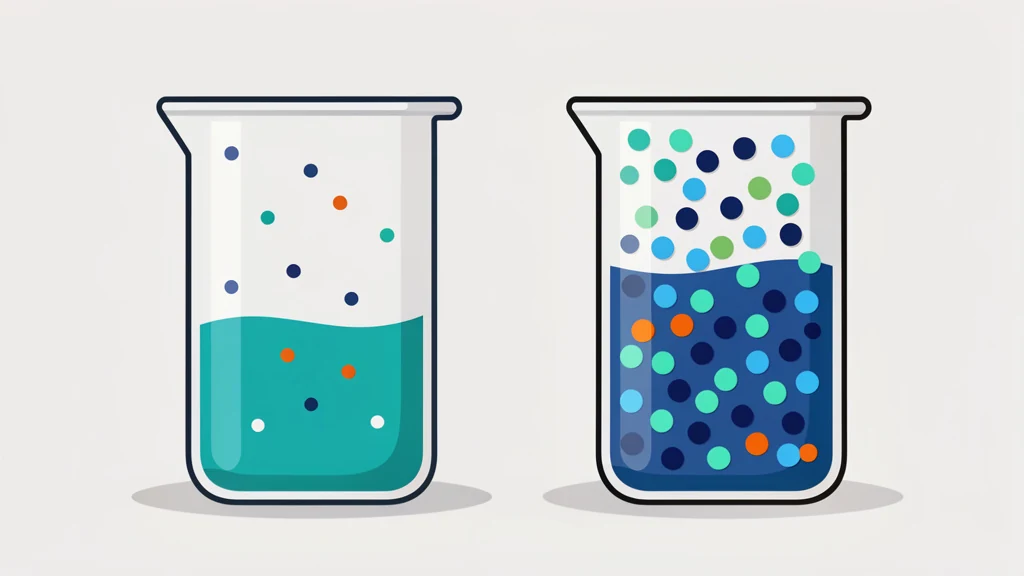
Learn how to calculate molarity with the simple formula moles divided by liters. Step-by-step examples, unit conversions, and common mistakes explained.

Pressure units PSI, bar, and Pa explained clearly, with the pressure formula, real conversions, and where each unit shows up in daily life.