
How Compound Interest Works (With Examples)
How compound interest works: you earn interest on your principal plus the interest already added, so your balance grows faster the longer you leave it.
How compound interest works: you earn interest on your principal plus the interest already added, so your balance grows faster the longer you leave it.

Sinking funds vs emergency funds: a sinking fund saves on purpose for a known future cost, while an emergency fund covers urgent surprises. Keep both separate.
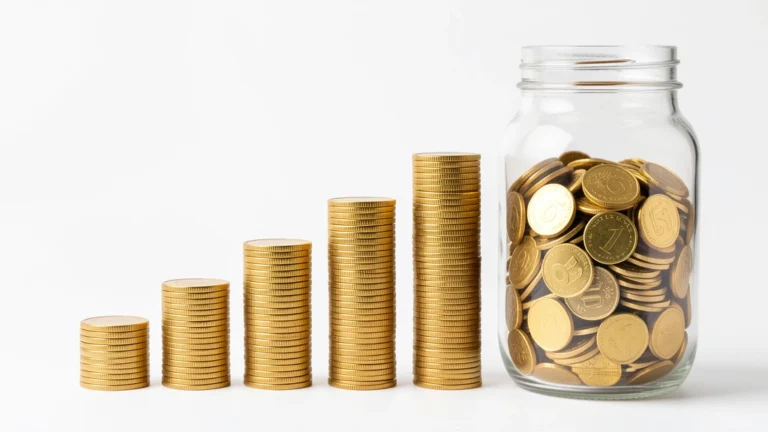
Learn how to build a 6-month emergency fund from scratch: start with a starter buffer, automate transfers, add windfalls, and track it with a free calculator.
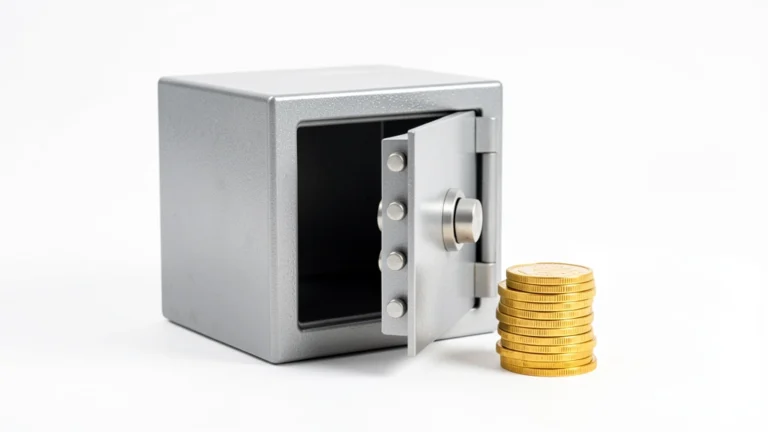
Where to keep your emergency fund: somewhere safe, liquid, and separate. A high-yield savings account usually wins, with short CDs for part of a big balance.

The 50/30/20 budget rule splits after-tax income into 50% needs, 30% wants, and 20% savings and debt. Learn how to apply it, with a worked example and steps.

How much emergency fund do you need? Most people need 3 to 6 months of essential expenses, with single-income or variable-income earners near 6 to 12.

Good debt vs bad debt comes down to APR and what you buy: low-cost borrowing that builds value is good, high-rate borrowing for things that fade is bad.
Learn how to improve your debt-to-income ratio: lower monthly debt or raise income, aim for 36 percent or less, and use free calculators to plan.

How long will it take to pay off my credit card? Your payoff time depends on your balance, APR, and monthly payment. See the math and a clear payoff timeline.

Is debt consolidation a good idea? It works when it lowers your rate and you stop adding new debt. Compare balance transfers, loans, and DMPs to decide.