
Waist-to-Height Ratio vs BMI
Waist-to-height ratio vs BMI: WHtR compares waist to height and captures belly fat, while BMI compares weight to height. See how the two screening tools differ.
Waist-to-height ratio vs BMI: WHtR compares waist to height and captures belly fat, while BMI compares weight to height. See how the two screening tools differ.

BMI for athletes often overstates health risk because muscle weighs more than fat for its size. See why body fat and waist size tell a truer story.

What is your ideal weight for your height? It is really a healthy range, not one number. See BMI-based weight ranges by height and classic formulas explained.

Learn how to measure body fat at home with skinfold calipers, a tape measure and the US Navy method, or a smart scale, plus a clear accuracy table.
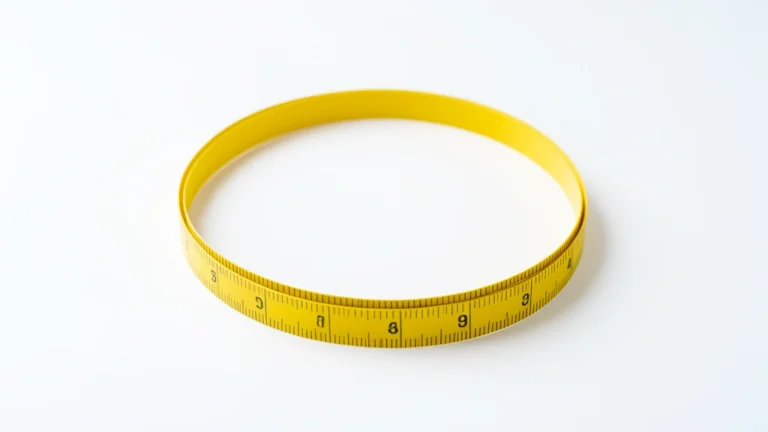
Your waist-to-hip ratio is waist divided by hips. It shows where you carry fat, and higher ratios are often linked to greater health risk. See the numbers.
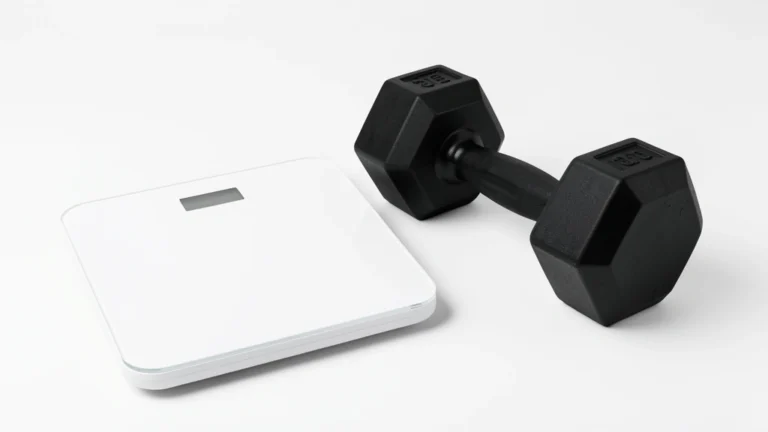
Why BMI can be misleading: it cannot tell muscle from fat or show where fat sits, so it mislabels some bodies. See better measures to use alongside it.

What is a healthy BMI? For adults it is 18.5 to 24.9. Learn the formula, the WHO and CDC categories, and why BMI is a screening tool, not a diagnosis.

Cash flow management for small business explained: forecast inflows and outflows, invoice fast, hold a reserve, and time payables so cash never runs dry.

Learn how to calculate customer acquisition cost (CAC) with a simple formula, a worked example table by channel, and what a healthy LTV:CAC ratio looks like.

What is a good ROAS? A 4:1 return on ad spend is a common rule of thumb, but the real target depends on your profit margin. See the break-even math.