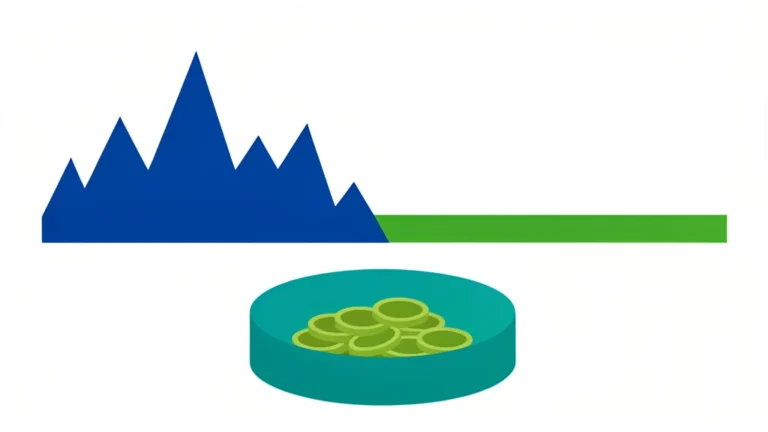
How to Budget on an Irregular Income
How to budget on an irregular income: plan on your lowest month, build a buffer in high months, pay yourself a steady salary, and set taxes aside first.
How to budget on an irregular income: plan on your lowest month, build a buffer in high months, pay yourself a steady salary, and set taxes aside first.
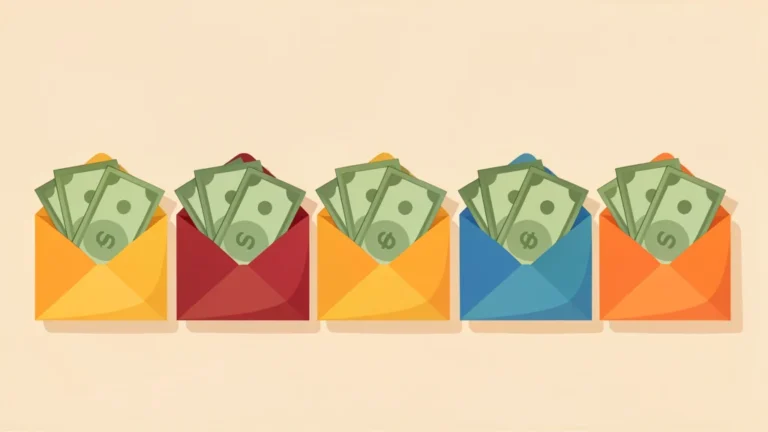
The envelope budgeting method splits your spending money into category envelopes. When an envelope is empty, you stop spending there. Here is how to set it up.
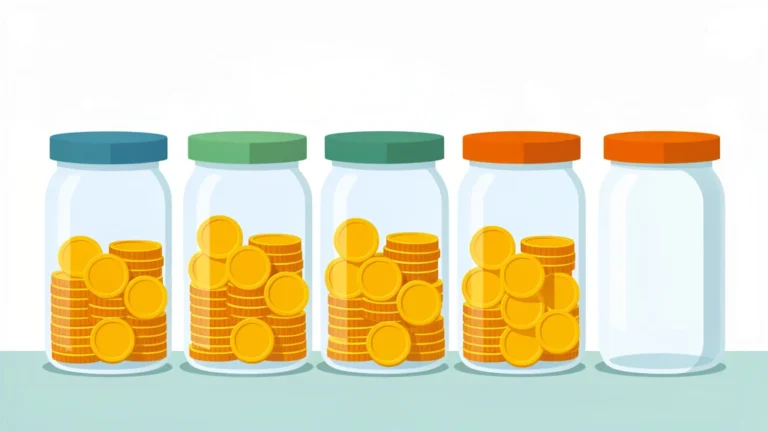
Zero-based budgeting means giving every dollar of income a job until nothing is left to assign. Learn how it works, the steps, and a sample budget that hits zero.

Check your credit report for free at AnnualCreditReport.com, the only federally authorized site. Learn how, how often, what to review, and how to dispute errors.
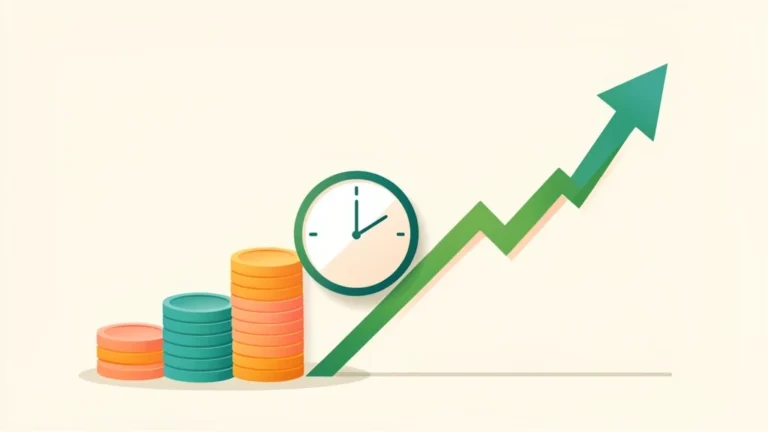
How long to build credit: expect a first score after about 6 months of activity, and a good score (670+) within roughly 1 to 2 years of steady habits.

Hard vs soft credit inquiries explained: a hard pull happens when you apply for credit and can lower your score a few points; a soft pull never does.
What hurts your credit score the most? Missed payments and high credit utilization do the deepest damage. See every negative factor ranked by real impact.
Credit utilization is your total card balances divided by your total credit limits. Learn the formula, the 30% rule, and per-card vs overall utilization.
Learn how to improve your credit score fast: pay down card balances to cut utilization, never miss a due date, and dispute report errors. Fast wins vs slow wins.
A good credit score starts at 670 on the common FICO scale of 300 to 850. See every score tier, what good means, and how FICO and VantageScore compare.