Can you lose fat and build muscle at the same time? For many people, the answer is yes, and that goal has a name: body recomposition. It means reshaping what your body is made of, trading some fat for more muscle, so you look leaner and stronger even when the scale barely moves. Recomposition is slower than a straight diet, but it changes how your body looks and performs rather than just what you weigh.
Body recomposition means losing fat and gaining muscle at the same time. Your scale weight may stay nearly flat while your body gets leaner and firmer. It works best for beginners, people returning to training, and those with more fat to lose. The main levers are resistance training, enough protein, calories at or near maintenance, and good sleep. Track it with photos, measurements, and body fat percent, not the scale alone. This is general education, not medical advice.
What Body Recomposition Really Means
Most weight goals focus on one number going down. Body recomposition focuses on two things moving at once, in opposite directions.
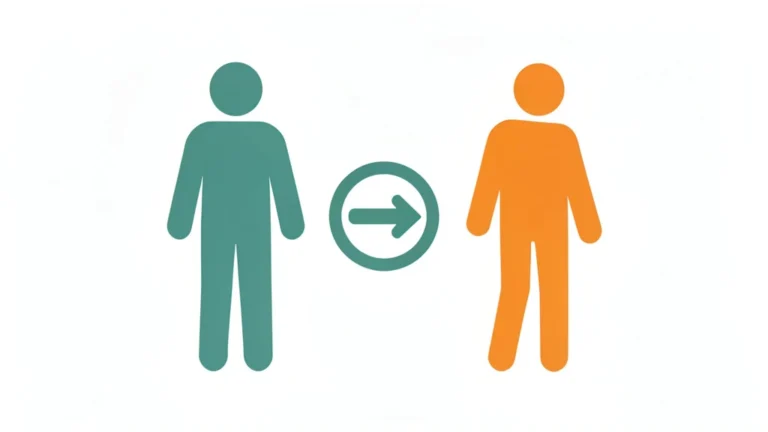
The idea is to lose body fat while you build or keep lean muscle. Because muscle and fat take up different space and weigh differently, your total weight can stay almost the same during this process. You are not chasing a lighter body. You are chasing a leaner one with a healthier balance of fat and muscle.
This is why recomposition often confuses people who only watch the scale. The weight may hold steady for weeks while clothes fit better and muscle shows more. The mix inside your body is changing even when the total is not.
Who Body Recomposition Works Best For
Recomposition is possible for many people, but it happens faster and more easily for some groups than others. Your training history and starting point matter a lot.
- Beginners: People new to resistance training often build muscle quickly while losing fat, sometimes called newbie gains.
- Returning trainees: Those who trained before and took a long break can regain muscle fast through muscle memory.
- Higher body fat: People with more fat to lose have more stored energy to fuel muscle growth while cutting fat.
Lean, experienced lifters tend to see slower recomposition. Their bodies are already close to their natural limits, so gaining muscle and losing fat at once is harder. For them, separate building and cutting phases often work better. To see where your body fat sits, our sibling guide on healthy body fat percentage by age covers the ranges.
The Main Levers That Drive Recomposition
Recomposition is not magic. It comes from a few habits working together over time. Miss one, and progress slows.
The four levers below are the core of the process. Each one supports the others, so they work best as a set.
- Progressive resistance training: Lifting weights or using your body weight, and slowly doing more over time, signals your muscles to grow.
- Enough protein: Protein gives your body the raw material to build and repair muscle. A common general guide is around 0.7 to 1 gram per pound of body weight per day, which varies by person.
- Calories at or near maintenance: Eating close to the calories you burn gives your body energy to build muscle while nudging fat down.
- Sleep and recovery: Muscle repairs and grows during rest, so steady sleep and rest days are part of the work.
Protein targets and calorie levels are easiest to set with a tool. Our Macronutrient Calculator turns your details into daily protein, carb, and fat ranges you can aim for.
Why the Scale Can Stay Flat
This part trips up almost everyone. You are training hard and eating well, yet the scale will not budge. That can actually be a good sign.
During recomposition you lose fat and add muscle at a similar pace. If you drop a pound of fat and gain close to a pound of muscle, your weight stays nearly the same. The number on the scale hides the real change happening underneath.
This is why the scale alone is a poor tool for recomposition. It measures total weight, not what that weight is made of. A flat scale can mean no progress, or it can mean a full body transformation in slow motion.
How to Track Body Recomposition
Since weight can mislead you, use better signals. The goal is to watch your shape and composition, not just your mass.
- Progress photos: Take them monthly in the same light and pose. Changes show up clearly over weeks.
- Tape measurements: Track your waist, hips, arms, and thighs in inches or cm. A shrinking waist with steady arms is a good sign.
- Body fat percent: Estimates from the same method over time show the fat-to-muscle shift better than weight.
- Strength: Lifting more over time usually means you are building or keeping muscle.
Use two or three of these together for a fuller picture. If you want to estimate the muscle side of things, our guide on how to calculate lean body mass walks through the method.
A Realistic Timeline for Recomposition
Recomposition rewards patience. Because you are not pushing hard in one direction, changes come slowly and build over months.
Many beginners notice small changes in 8 to 12 weeks, with clearer results over 6 months to a year of steady effort. Progress depends on your starting point, how consistent you are, and how well you sleep and recover. Returning trainees and those with more fat often see faster early changes.
The key is consistency, not intensity. A steady routine you can keep for months beats an extreme plan you quit in weeks. Small, repeatable habits drive the biggest long-term change.
| Time Frame | What You May Notice |
|---|---|
| Weeks 1 to 4 | Little visible change; you build the habit and learn the lifts |
| Weeks 4 to 12 | Clothes fit better; early strength gains; scale often flat |
| Months 3 to 6 | Visible leaner shape; measurements shift; muscle more defined |
| Months 6 to 12 | Clear recomposition for many; slower pace as you get leaner |
Protein needs and calorie levels vary by age, size, health, and activity. These figures are general guides, not personal prescriptions. Talk with a doctor or dietitian before big diet or training changes, especially if you have a health condition.
Ready to set your protein and calories for recomposition? Get personal daily ranges for protein, carbs, and fat with our Macronutrient Calculator. It turns your goal and body details into simple targets you can follow.
Frequently Asked Questions About Body Recomposition
What Is Body Recomposition in Simple Terms?
Body recomposition means losing body fat and building muscle at the same time. Because muscle and fat differ in weight and space, your scale weight can stay nearly flat while your body gets leaner and firmer. The focus is on what your body is made of, not just how much you weigh.
Can You Really Lose Fat and Gain Muscle at Once?
Yes, for many people. It is most common in beginners, people returning to training, and those with more body fat to lose. Lean, experienced lifters find it harder and often use separate building and cutting phases. For them, recomposition tends to be slower.
Why Is My Weight Not Changing During Recomposition?
A flat scale is common and can be a good sign. If you lose about a pound of fat and gain about a pound of muscle, your total weight stays nearly the same. The scale hides the real change, so track photos, measurements, and body fat percent instead.
How Much Protein Do I Need for Recomposition?
A common general guide is around 0.7 to 1 gram of protein per pound of body weight per day. Needs vary by person, age, and activity, so treat this as a starting range. A macronutrient calculator can give you a personal target, and a professional can confirm what fits you.
What Kind of Exercise Drives Recomposition?
Progressive resistance training is the main driver. This means lifting weights or using your body weight and slowly doing more over time. This signals muscles to grow while you lose fat. Some cardio supports health and fat loss, but strength work builds the muscle that reshapes your body.
How Long Does Body Recomposition Take?
Many beginners see small changes in 8 to 12 weeks and clearer results over 6 months to a year. Your pace depends on your starting point, consistency, sleep, and recovery. Recomposition is slower than a plain diet, so patience and steady habits matter more than intensity.
Should I Eat in a Calorie Deficit for Recomposition?
Most recomposition happens at or slightly below maintenance calories, not in a steep deficit. Eating near maintenance gives your body energy to build muscle while fat slowly falls. Calorie needs vary, so use a tool to estimate yours and ask a professional before setting a low target.
Sources
Authoritative Sources Used in This Article
This article is for general education only, not medical advice. Body composition, healthy ranges, and individual needs vary, so talk with a doctor or a qualified health professional before making changes to your diet, exercise, or health routine. Reviewed for accuracy by Dr. Abdullah Khalil, MBBS. Last updated September 12, 2026.
Author

Shakeel Muzaffar is the Founder and Editor-in-Chief of MultiCalculators.com, bringing over 15 years of experience in digital publishing, product strategy, and online tool development. He leads the platform's editorial vision, ensuring every calculator meets strict standards for accuracy, usability, and real-world value. Shakeel personally oversees content quality, formula verification workflows, and the platform's commitment to publishing tools that are genuinely useful for students, professionals, and everyday users worldwide.