Could part or all of your federal student loans one day be wiped away? For some borrowers, the answer is yes. Student loan forgiveness means the government cancels what you still owe, usually after you meet strict rules over several years. Three main federal programs do this in very different ways: Public Service Loan Forgiveness, Teacher Loan Forgiveness, and forgiveness at the end of an income-driven repayment plan. This guide explains how each one works and who can qualify.
Student loan forgiveness cancels the federal loan balance you still owe after you meet a program’s rules. The three main programs are PSLF (120 qualifying payments over 10 years while you work full time for government or a nonprofit), Teacher Loan Forgiveness (up to a set amount after 5 years in a qualifying low-income school), and IDR forgiveness (the leftover balance at the end of an income-driven plan). Each has its own loan and plan rules, and these rules change often. Always confirm your situation on StudentAid.gov.
What Student Loan Forgiveness Actually Means
Forgiveness means a lender, here the federal government, cancels the remaining balance you owe. You stop making payments on that amount, and it no longer counts as debt.
Most forgiveness applies only to federal student loans. Private loans from a bank or credit union almost never qualify. The rules also reward patience, because nearly every program asks for years of on-time payments or service first.
This article covers the three biggest federal programs. Smaller paths exist too, such as discharge for total disability or a closed school, but those are separate topics with their own rules.
The Three Main Federal Forgiveness Programs
Most borrowers who get forgiveness use one of three federal programs. Each targets a different group of people and works on a different timeline.
- Public Service Loan Forgiveness (PSLF): cancels your remaining Direct Loan balance after 120 qualifying payments while you work full time for government or an eligible nonprofit.
- Teacher Loan Forgiveness: cancels up to a set dollar amount after 5 complete and consecutive years teaching in a qualifying low-income school.
- Income-Driven Repayment (IDR) forgiveness: cancels whatever balance is left at the end of an income-driven plan, often after 20 to 25 years of payments.
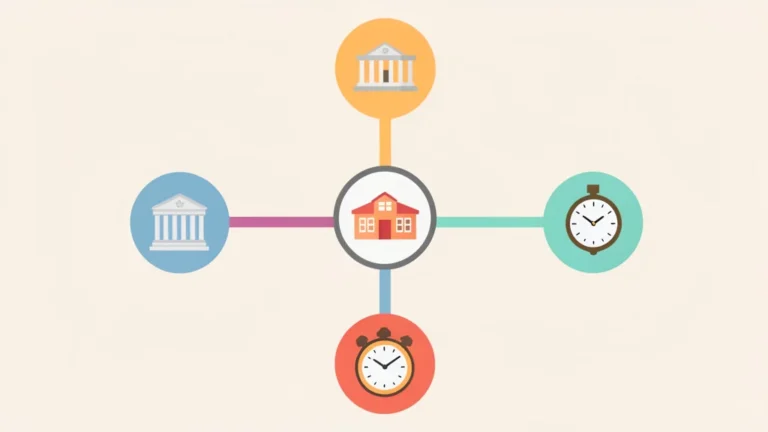
The concept map below shows how these three branches grow from one idea.
Basic Eligibility for Each Program
Eligibility is where most confusion starts. Each program checks your loan type, your plan, and what you do for work.
PSLF needs Direct Loans, a qualifying repayment plan, and full-time work for a government or nonprofit employer. You must make 120 qualifying payments, which do not have to be in a row.
Teacher Loan Forgiveness needs 5 complete and consecutive years teaching in a qualifying low-income school or agency. Highly qualified math, science, and special education teachers can have up to $17,500 forgiven, while other teachers can have up to $5,000 forgiven.
IDR forgiveness arrives at the end of an income-driven repayment plan. After the plan’s full term of payments, often 20 to 25 years, the remaining balance is canceled. You only need to stay enrolled and keep making your required payments.
How the Three Programs Compare
The table below lines up the three programs on the points borrowers ask about most: who qualifies, how long it takes, and how much can be forgiven.
| Feature | PSLF | Teacher Forgiveness | IDR Forgiveness |
|---|---|---|---|
| Who qualifies | Full-time government or nonprofit workers | Teachers in a qualifying low-income school | Borrowers on an income-driven plan |
| How long | 120 payments, about 10 years | 5 consecutive years of teaching | 20 to 25 years of payments |
| How much | Full remaining balance | Up to $17,500 total | Whatever balance is left |
| Loan type | Direct Loans only | Direct or FFEL loans | Federal loans on the plan |
Figures like the $17,500 cap and the 20 to 25 year window are program rules that can change. Treat them as a guide and confirm the current details for your own loans.
The PSLF Timeline: 120 Payments Over 10 Years
PSLF is the program people ask about most, so its timeline is worth a close look. The math is simple: 120 qualifying monthly payments equal 10 years of payments, since 12 payments per year times 10 years equals 120.
The payments do not have to run back to back. If you leave public service and return, earlier qualifying payments still count. You also must still work full time for an eligible employer when you apply and when your loans are forgiven.
Certifying your work each year is the key habit. File an employer certification form regularly so your payment count stays accurate. You can estimate your own path with our Teacher Loan Forgiveness (PSLF) Calculator.
Common Reasons People Get Disqualified
Many borrowers assume they qualify and find out too late that they do not. Most problems trace back to a few avoidable mistakes.
- Wrong loan type: PSLF needs Direct Loans. Older FFEL or Perkins loans may need to be consolidated first to count.
- Wrong repayment plan: some plans do not produce qualifying payments for PSLF or IDR forgiveness.
- Missed certification: not filing your employer form can leave valid payments uncounted for years.
- Part-time work: PSLF requires full-time employment with an eligible employer.
- Refinancing into a private loan: this turns federal loans private and ends forgiveness eligibility for good.
The good news is that most of these are fixable before you apply. Check your loan type and plan early, and certify often.
Do You Pay Taxes on Forgiven Loans?
Forgiven debt can sometimes count as taxable income, but the rules vary by program and by year. PSLF forgiveness has generally not been treated as taxable income at the federal level.
Other forgiven balances, like some IDR forgiveness, have faced different tax treatment depending on the law in effect. State taxes can differ too.
Tax rules change, so do not guess. Confirm the current treatment with a tax professional and with official sources before you count on a tax-free result.
What This Guide Does Not Cover
Forgiveness is only one piece of the student loan picture. A few closely related topics sit in their own guides so each stays clear and complete.
- How your plan choice affects payments: see Standard vs Income-Driven Repayment Plans.
- Whether refinancing makes sense: see Should You Refinance Your Student Loans?. Remember that refinancing federal loans into a private loan ends forgiveness eligibility.
- Paying the balance down faster: see How to Pay Off Student Loans Faster.
Want to see how your forgiveness path could add up? Estimate your qualifying payments and potential forgiveness with our Teacher Loan Forgiveness (PSLF) Calculator. It turns these rules into numbers you can plan around.
Frequently Asked Questions About Student Loan Forgiveness
What Is Student Loan Forgiveness?
Student loan forgiveness means the government cancels the federal loan balance you still owe after you meet a program’s rules. You stop owing that amount, and it is no longer counted as debt. It almost always applies to federal loans, not private loans, and usually requires years of payments or qualifying service first.
What Are the Main Federal Forgiveness Programs?
The three main programs are Public Service Loan Forgiveness, Teacher Loan Forgiveness, and income-driven repayment forgiveness. PSLF rewards full-time public service work, Teacher Loan Forgiveness rewards teaching in a low-income school, and IDR forgiveness cancels any balance left at the end of an income-driven plan. Each has its own loan and plan rules.
How Long Does PSLF Take?
PSLF requires 120 qualifying monthly payments, which equals about 10 years, since 12 payments per year times 10 years is 120. The payments do not have to be consecutive. You must also work full time for a government or nonprofit employer when you make payments and when you apply for forgiveness.
How Much Can Teachers Have Forgiven?
Teacher Loan Forgiveness can cancel up to $17,500 for highly qualified math, science, and special education teachers, and up to $5,000 for other qualifying teachers. You must teach full time for 5 complete and consecutive years in a qualifying low-income school or agency. These amounts are program rules that can change.
Does Refinancing Affect Forgiveness?
Yes, and the effect is permanent. Refinancing federal loans into a private loan turns them private, which ends eligibility for federal forgiveness programs like PSLF and IDR forgiveness. If forgiveness is part of your plan, think carefully before refinancing federal debt. Our refinancing guide explains the trade-offs in more detail.
Do I Pay Taxes on Forgiven Student Loans?
It depends on the program and the year. PSLF forgiveness has generally not been taxed as federal income, while other forgiven balances have faced different treatment depending on current law. State taxes can also differ. Because tax rules change, confirm the current treatment with a tax professional before counting on a tax-free result.
Why Do People Get Disqualified From Forgiveness?
The most common reasons are the wrong loan type, the wrong repayment plan, missed employer certification, part-time work, or refinancing into a private loan. Many of these are fixable before you apply. Check your loan type and plan early, certify your employment often, and keep your payment count accurate on StudentAid.gov.
Sources
Authoritative Sources Used in This Article
This article is for general education only, not financial advice. Student loan rules, interest rates, and repayment and forgiveness programs change often, so check your loan servicer and official sources like StudentAid.gov for your own situation. Reviewed for accuracy by Prof. Dr. Khalil Mudassar, PhD. Last updated September 12, 2026.
Author

Shakeel Muzaffar is the Founder and Editor-in-Chief of MultiCalculators.com, bringing over 15 years of experience in digital publishing, product strategy, and online tool development. He leads the platform's editorial vision, ensuring every calculator meets strict standards for accuracy, usability, and real-world value. Shakeel personally oversees content quality, formula verification workflows, and the platform's commitment to publishing tools that are genuinely useful for students, professionals, and everyday users worldwide.