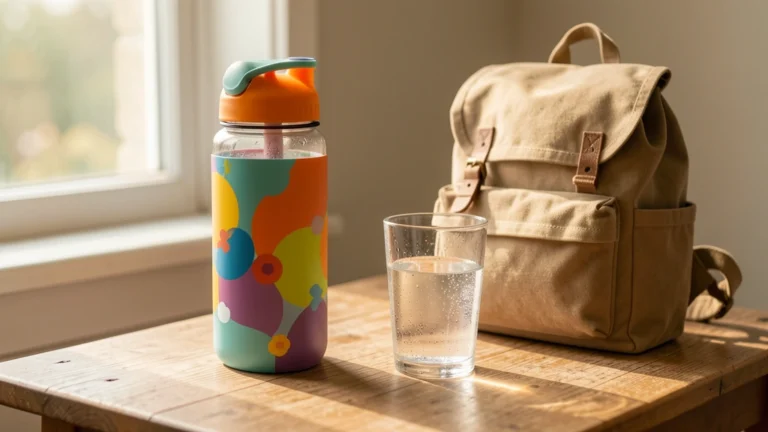
Most kids need somewhere between about 4 and 11 cups of fluids a day, and the number climbs steadily with age. A toddler needs far less than a teenager who runs around at soccer practice after school. These are general, widely cited ranges only, not an exact rule for any one child, so always check with your child’s pediatrician about their specific needs.
Most kids need roughly 4 to 11 cups of fluids each day, with the number rising as a child gets older. Toddlers generally need the least, school age kids need a moderate amount, and teens usually need the most. Thirst, activity level, hot weather, and the food a child eats all shift this number up or down on any given day. These figures are general, widely cited pediatric guidance, not a personal prescription for your child. A child who seems to drink very little, seems constantly and unusually thirsty, or shows other signs of concern should be seen by their pediatrician.
How Much Water Do Kids Generally Need by Age?
Fluid needs grow as kids get bigger, more active, and heavier. Pediatric groups generally describe typical ranges by rough age band rather than one fixed number for every child.
The table below lists widely cited general ranges for total daily fluids. This total usually includes water, milk, and other drinks, plus the water naturally found in food.
| Age Band | Typical Total Daily Fluids |
|---|---|
| Toddlers (1 to 3 years) | Around 4 cups, roughly 1 liter |
| Young children (4 to 8 years) | Around 5 cups, roughly 1.2 liters |
| Older kids (9 to 13 years) | About 7 to 8 cups, roughly 1.6 to 2.1 liters |
| Teens (14 to 18 years) | About 8 to 11 cups, roughly 1.9 to 2.6 liters |
These numbers are typical ranges from general pediatric sources, not strict daily targets. A child’s real needs can land above or below this range and still be completely normal for them.
Body size plays a big role in why one child needs more than another child the same age. A larger or more active nine year old may naturally drink closer to the upper end of a range than a smaller, calmer child the same age.
Sex can matter a little too, especially in the teen years, since body size and muscle mass differences shift fluid needs slightly. None of this means a parent needs to measure every cup, since these are background patterns, not daily checklists.
Babies under 12 months usually get their fluids from breast milk or formula rather than plain water. Our guide on baby feeding amounts by age covers general typical ranges for that first year.
Why Your Child’s Water Needs Change From Day to Day
The ranges above are a general starting point, not a fixed daily quota. Several everyday factors push the real number up or down.
Thirst is a helpful, natural signal in most healthy kids. A child who has easy access to water and drinks when thirsty is usually meeting their body’s needs most days.
Activity level matters a lot too. A child running around outside sweats more and needs more fluids than one having a quiet day of reading indoors.
Heat and climate raise fluid loss as well. Hot, humid weather, or even a warm indoor space, increases how much a child sweats and needs to drink.
Diet plays a role too, since fruits, vegetables, soups, and milk all contain water. A child who eats plenty of these foods gets meaningful fluids from meals, not just from drinks.
Signs of Good Hydration Parents Commonly Notice
Parents often look for a few general, everyday signs rather than any single measurement. These signs are typical and general, not a medical test or a diagnosis.
Regular bathroom trips with pale yellow urine are commonly seen as a general sign of adequate fluids. Steady energy, moist lips, and normal play and activity levels are also commonly noted as reassuring signs.
On the other hand, unusually dark urine, very infrequent bathroom trips, or a notably dry mouth can sometimes suggest a child needs more fluids. These signs alone are not a diagnosis, and a pattern that worries you is worth mentioning to your pediatrician.
Headaches, unusual crankiness, or feeling more tired than normal during play can also sometimes tie back to fluid intake, especially on hot days. These signs have many possible causes besides hydration, so they are a prompt to offer more water and watch, not a reason to assume the cause on your own.
Sports, Hot Weather, and Extra Fluid Needs
Active kids and hot weather both raise fluid needs above the general baseline ranges. Sweat carries water and electrolytes out of the body, and that loss needs to be replaced.
Many general guidance sources suggest offering extra water before, during, and after sports practice or play in the heat. Small, frequent sips throughout activity are commonly recommended over waiting until a child feels very thirsty.
For most everyday sports and play, plain water is generally considered a fine choice for kids. Sports drinks are typically reserved for longer, more intense activity, and any specific recommendation should come from a pediatrician or coach familiar with the child.
Food and Other Drinks Also Count Toward Daily Fluids
Plain water is not the only source of fluids in a child’s day. Milk, and to a lesser extent 100 percent juice, also contribute to the daily total.
Watery foods add up too. Fruits like watermelon and oranges, vegetables like cucumber, and dishes like soup all carry a meaningful amount of water.
Even so, plain water is generally considered a good default drink for kids between meals. It has no added sugar and is easy for most children to access throughout the day.
Sugary drinks like soda and sports drinks are generally best kept for occasional use rather than daily habit for most kids. Caffeinated drinks are typically discouraged for younger children, since caffeine can affect sleep and energy levels. A pediatrician or registered dietitian can offer guidance suited to a specific child’s diet.
Using a Water Intake Calculator as a Starting Point
A general hydration calculator can be a useful starting point for thinking about fluid needs. The Water Intake Calculator estimates a daily fluid target from body weight and activity level.
That same general approach applies to kids, but the typical ranges are different from adult defaults. Kids generally need less total fluid than adults, so it works best as a rough starting reference alongside the age-based ranges above, not as a kid-specific final answer.
Curious what a general fluid estimate looks like based on weight and activity? Try the Water Intake Calculator as a starting point, then compare it with the general age-based ranges in this guide and your pediatrician’s own guidance for your child.
When to Check With Your Child’s Pediatrician
Most healthy kids with regular access to water and food meet their fluid needs without close tracking. Still, a few patterns are worth a call to the pediatrician.
Reach out if your child seems to drink very little for several days, seems unusually and constantly thirsty, or shows signs that concern you like very dark urine or notably fewer bathroom trips than usual. A pediatrician can look at your child’s whole picture, including growth, activity, and health history, and give guidance specific to them.
FAQs About Kids and Water Intake
How Much Water Should a 5 Year Old Drink?
General pediatric guidance often suggests around 5 cups of total fluids a day for children roughly 4 to 8 years old. This total generally includes water, milk, and water from food, not just plain water alone. Individual needs vary with activity and climate, so ask your child’s pediatrician about specifics.
How Much Water Should a 10 Year Old Drink?
Children roughly 9 to 13 years old are often cited as needing about 7 to 8 cups of total daily fluids. This is a general range, not an exact target, and it can shift with activity level and weather. A pediatrician can offer guidance tailored to your child.
How Much Water Should a Teenager Drink?
Teens are commonly cited as needing about 8 to 11 cups of total daily fluids, with the higher end often tied to larger body size and more activity. Sports, heat, and growth spurts can all raise this general range further. Check with a pediatrician for guidance specific to your teen.
Does Milk or Juice Count Toward My Child’s Daily Water?
Yes, milk and 100 percent juice both generally count toward a child’s total daily fluid intake. Watery foods like fruit and soup contribute as well. Plain water is still commonly recommended as the main everyday drink, since it has no added sugar.
How Do I Know if My Child Is Drinking Enough Water?
Regular bathroom trips, pale yellow urine, and steady energy are commonly seen as general signs of adequate fluids. These signs are typical, not a medical test or a diagnosis on their own. If you notice ongoing dark urine, very few bathroom trips, or unusual thirst, talk with your pediatrician.
Do Kids Need More Water in Hot Weather or During Sports?
Yes, hot weather and physical activity both generally raise a child’s fluid needs above their typical baseline. Sweat carries water out of the body, and that loss needs replacing. Offering water before, during, and after activity is commonly recommended, especially on hot days.
Can a Child Drink Too Much Water?
Drinking too much water too quickly is uncommon in healthy kids but is possible in rare situations, especially during intense, prolonged activity. Most children who drink to thirst throughout a normal day are not at risk of this. If you have specific concerns about your child’s fluid intake, ask their pediatrician.
Sources
Authoritative Sources Used in This Article
This article is for general education only, not medical advice. Every child grows and develops differently, so always talk with your child’s pediatrician about their specific needs. Reviewed for accuracy by Dr. Abdullah Khalil, MBBS. Last updated September 16, 2026.
Author

Shakeel Muzaffar is the Founder and Editor-in-Chief of MultiCalculators.com, bringing over 15 years of experience in digital publishing, product strategy, and online tool development. He leads the platform's editorial vision, ensuring every calculator meets strict standards for accuracy, usability, and real-world value. Shakeel personally oversees content quality, formula verification workflows, and the platform's commitment to publishing tools that are genuinely useful for students, professionals, and everyday users worldwide.