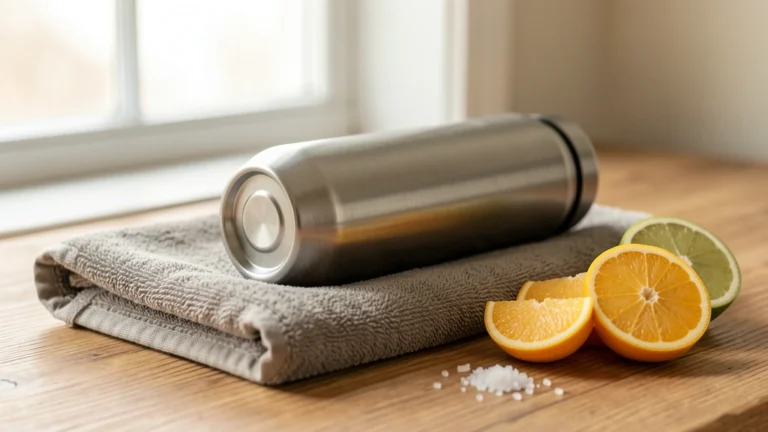
Electrolytes are minerals like sodium, potassium, and magnesium that help your muscles contract and your nerves send signals. You lose electrolytes and water together through sweat, and heavier sweating means bigger losses. For most people doing a normal workout, plain water covers hydration needs just fine. Longer sessions, hot weather, or heavy sweating can call for extra sodium and other electrolytes, not just water. This guide covers what electrolytes do, general signs of dehydration, and simple habits for staying hydrated before, during, and after exercise.
Electrolytes are minerals, mainly sodium, potassium, and magnesium, that your body loses through sweat during exercise. They help muscles contract and nerves communicate, so losing too many without replacing them can affect how you feel and perform. For most workouts under an hour, plain water is usually enough to stay hydrated. Longer sessions, hot conditions, or heavy sweating are when a sports drink or electrolyte product is more commonly considered. Our Water Intake Calculator gives a general starting estimate for daily fluid needs, though athletes training hard or in heat generally need more. This article is general education, not personal medical advice, and people with kidney issues or certain medications should ask a doctor before changing electrolyte intake.
What Electrolytes Are and Why They Matter
Electrolytes are minerals that carry a small electrical charge in your body. Sodium, potassium, chloride, magnesium, and calcium are the main ones involved in exercise. They help your muscles contract, your nerves send signals, and your body keep fluid balanced inside and outside your cells.
When you sweat, you lose water and electrolytes together, mainly sodium and smaller amounts of potassium. Sweat rate and sweat composition vary a lot from person to person. Some people are naturally heavier or saltier sweaters than others, and that is normal.
During exercise, electrolytes help keep your muscles firing correctly and support normal heart rhythm. Losing too much fluid and too many electrolytes without replacing them can leave you feeling tired, weak, or crampy. This is one reason hydration and electrolyte balance both matter for athletes, not water alone.
Sodium plays an especially large role because it helps your body hold onto the fluid you drink. Drinking large amounts of plain water without any sodium during a very long, hot session can dilute the sodium already in your blood. This is uncommon in typical training, but it is one reason some longer events pair fluid with a small amount of sodium rather than water alone.
General Signs of Dehydration During Exercise
Dehydration signs can show up gradually during a workout. Common general signs include increased thirst, a dry mouth, and feeling more tired than the effort should cause. Some people notice a headache or find it harder to concentrate.
Dark yellow urine is often cited as a general sign of under-hydration, while pale yellow usually suggests better hydration. Muscle cramping late in a workout is sometimes linked to fluid and electrolyte losses, though cramps can have other causes too.
These are general signs many people notice, not a diagnosis for any one person. If you ever feel dizzy, confused, or unable to keep exercising safely, stop and rest, and seek medical care if symptoms do not improve quickly.
Performance can also give a general clue. Pacing that feels harder than usual, a faster than normal heart rate for the same effort, or an early drop off in strength or speed can sometimes point to under-hydration. These signs are general and can also come from poor sleep, illness, or overtraining, so they are not proof of dehydration by themselves.
What Changes How Much You Actually Need
How much fluid and sodium any one athlete needs varies a lot, and several factors explain why. Heat and humidity generally increase sweat rate, so a hot day usually calls for more fluid than a cool one for the same workout.
Workout intensity and duration matter too. A hard, long session generally causes more sweat loss than a short, easy one, even in similar conditions. Body size and individual sweat rate also play a role, since some athletes naturally sweat more heavily or saltier than others.
Because of these differences, general fluid guidelines are a starting point, not a fixed number for every athlete. Paying attention to thirst, urine color, and how you feel during training is a widely used general way to fine tune your own habits over time.
Water or a Sports Drink? When Each One Fits
For most everyday workouts lasting under about an hour, plain water is generally enough to stay hydrated. Your body is not losing electrolytes fast enough in a short, moderate session to require replacing them mid workout.
Longer training sessions, hot or humid conditions, and heavy sweating are when a sports drink or electrolyte product is more commonly considered. These situations increase fluid and sodium losses beyond what a short workout usually causes.
| Factor | Water | Sports Drink or Electrolyte Product |
|---|---|---|
| Typical workout length | Usually enough under about 60 minutes | More commonly considered past 60 to 90 minutes |
| What it replaces | Fluid only | Fluid plus sodium and often some carbohydrate |
| Common setting | Everyday, moderate training | Long endurance sessions, heat, or heavy sweating |
This is a general pattern widely used in sports nutrition, not a fixed rule for every person or every workout. Sweat rate, heat, humidity, and individual differences all change how much fluid and sodium a session actually requires.
Simple Hydration Habits Before, During, and After Exercise
Starting a workout already thirsty puts you behind before you begin. Drinking fluids in the hours before exercise, and having a small amount shortly before starting, is a widely used general habit among athletes.
During longer sessions, taking small sips of water or a sports drink at regular intervals helps replace ongoing losses. Waiting until you feel very thirsty often means you are already behind on fluids.
After exercise, replacing fluids lost through sweat supports recovery. Weighing yourself before and after a hard session is one general way some athletes estimate fluid losses, though it is not necessary for casual exercisers.
Not sure where to start with daily fluid needs? Our Water Intake Calculator gives a general starting estimate based on your body and activity level. Athletes training hard, training for long sessions, or exercising in heat generally need more than the baseline estimate, so use it as a starting point rather than a fixed target.
Who Should Talk to a Doctor Before Changing Electrolyte Intake
This article covers general hydration education, not personal medical advice or supplement dosage instructions. Everyone’s fluid and electrolyte needs differ based on body size, sweat rate, climate, and training load.
People with kidney issues, heart conditions, or high blood pressure should ask a doctor before changing how much sodium or other electrolytes they take in. Certain medications, including some blood pressure and diuretic medications, can also affect how your body handles fluids and electrolytes.
If you are ever unsure how much to drink or whether you need an electrolyte product, a doctor, registered dietitian, or sports medicine professional can give guidance suited to your health history.
FAQs About Electrolytes and Hydration for Athletes
What Are Electrolytes and Why Do Athletes Need Them?
Electrolytes are minerals like sodium, potassium, and magnesium that carry a small electrical charge in your body. They help your muscles contract properly and your nerves send signals correctly. Athletes lose electrolytes through sweat during exercise, and replacing them along with fluids supports normal muscle and nerve function during training.
What Are Common Signs of Dehydration During Exercise?
General signs many people notice include increased thirst, a dry mouth, fatigue beyond what the effort should cause, and dark yellow urine. Some people also notice headaches or trouble concentrating. These are general patterns, not a diagnosis, and they vary between individuals and workouts.
Is Plain Water Enough During a Workout?
For most everyday workouts under about an hour, plain water is usually enough to stay hydrated. Short or moderate sessions typically do not cause electrolyte losses large enough to require a sports drink. Longer or more intense sessions are when electrolyte replacement is more commonly considered.
When Should I Consider a Sports Drink Instead of Water?
Sports drinks or electrolyte products are commonly considered for workouts longer than about 60 to 90 minutes, or in hot and humid conditions. These situations increase both fluid and sodium losses through sweat. For shorter, everyday training, water generally remains the simpler choice.
How Much Fluid Should I Drink Before, During, and After Exercise?
General habits include drinking fluids in the hours before exercise, taking small regular sips during longer sessions, and replacing losses afterward. Exact amounts vary by body size, sweat rate, and conditions. Our Water Intake Calculator offers a general starting estimate for daily fluid needs.
Can Drinking Too Much Water Be a Problem?
Yes, drinking far more water than your body loses, especially during very long endurance events, can dilute sodium levels in rare cases. This is uncommon in typical training but is a reason extreme overdrinking is not automatically safer than staying moderately hydrated. Balance, not excess, is the general goal.
Who Should Talk to a Doctor Before Changing Electrolyte Intake?
People with kidney issues, heart conditions, high blood pressure, or those taking certain medications like diuretics should ask a doctor before changing their electrolyte intake. This general guide is not a substitute for personal medical advice. A doctor can account for your full health history.
Sources
Authoritative Sources Used in This Article
This article is for general education only, not medical or personal training advice. Talk with a doctor before starting a new exercise program, especially if you have an injury or health condition. Reviewed for accuracy by Dr. Abdullah Khalil, MBBS. Last updated September 16, 2026.
Author

Shakeel Muzaffar is the Founder and Editor-in-Chief of MultiCalculators.com, bringing over 15 years of experience in digital publishing, product strategy, and online tool development. He leads the platform's editorial vision, ensuring every calculator meets strict standards for accuracy, usability, and real-world value. Shakeel personally oversees content quality, formula verification workflows, and the platform's commitment to publishing tools that are genuinely useful for students, professionals, and everyday users worldwide.