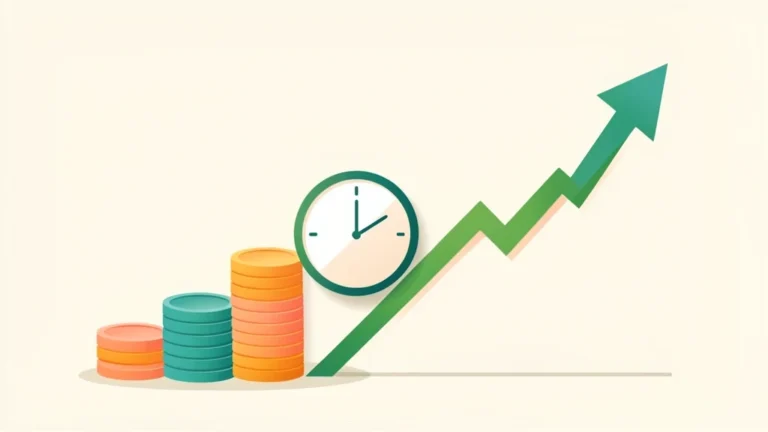
You just got your first credit card, so how soon will you actually have a score? For most people, it takes about 6 months of reported activity on at least one account to generate a first FICO score. From there, steady on-time payments and low balances often lift you into “good” credit territory within roughly 1 to 2 years. These are typical timelines, not guarantees, and your own path depends on your habits and what lenders report.
You usually need about 6 months of reported activity on one account before a first FICO score appears. VantageScore can sometimes score you a bit sooner. With on-time payments and low balances, many people reach a “good” score (670+) within about 1 to 2 years. Excellent credit takes longer, since length of credit history is about 15 percent of a FICO score. Treat every timeline as typical, not promised.
Getting Your First Score
Building credit starts with a simple wait. Scoring models need enough history to judge your reliability. That is why timing matters as much as behavior at the start.
For a FICO score, you generally need at least one account that has been open and reporting for about 6 months. You also need some activity on it during that window. Once that data reaches the credit bureaus, a first score can appear.
VantageScore, another common model, can sometimes score you sooner, occasionally within a month or two of activity. Lenders use different models, so one may see a score before another. To learn what the resulting number means, see our guide on what is a good credit score.
One key detail trips people up. The 6-month clock counts reporting time, not the day you opened the account. If a card sits unused, or a lender is slow to report, your first score can arrive a little later than expected.
From First Score to Good
A first score is just a starting point. It often lands in the fair range, not good, because your file is still thin. The good news is that steady habits move the number upward over time.
With on-time payments and low balances, many people reach a “good” score of 670 or higher within roughly 1 to 2 years. Some move faster, and some slower. Your starting point, your mix of accounts, and any past problems all affect the pace.
The table below shows a typical progression. Read it as a common pattern, not a promise, since results vary by person and by scoring model.
| Time With Credit | What Usually Happens |
|---|---|
| 0 to 6 months | Account reports activity; no FICO score yet for most people |
| About 6 months | First FICO score appears, often in the fair range |
| 1 to 2 years | Steady habits often lift the score into “good” (670+) |
| Several years | Longer history supports “very good” or “excellent” |
A quick example shows the pace. Open a secured card in January and pay on time each month. A first score may appear around July, and “good” credit can follow within the next year.
Want the specific habits that push a score up fastest? Our sibling guide on how to improve your credit score fast covers the steps in depth.
Why Time Itself Matters
Good habits matter, but time does real work on its own. One reason is how the FICO model is built. It rewards a longer track record.
Length of credit history is about 15 percent of a FICO score. This looks at the age of your oldest account, the average age of all your accounts, and how long since you used them. Older, well-managed accounts help this factor.
That is why you cannot fully rush credit. Even with perfect payments, the history-length piece grows only as your accounts age. Keeping your oldest card open and active helps this number climb steadily over the years.
This is also why closing an old card can hurt. Doing so may lower the average age of your accounts. When you are building credit, patience with your oldest accounts pays off quietly in the background.
Ways to Build Credit Faster
You cannot skip the clock, but you can start it sooner and feed it better data. A few tools help thin or new files build a record more quickly.
- Secured credit card: You put down a deposit, then use the card like normal. On-time use gets reported and builds history.
- Authorized user: A trusted person adds you to their well-managed card. Their positive history can appear on your file.
- Credit-builder loan: Payments are reported as you go, adding a steady record of on-time behavior.
- On-time payments: Payment history is the biggest FICO factor, so never miss a due date.
- Low utilization: Keep balances well under your limits, ideally under 30 percent, to protect your score.
These methods speed up the start and strengthen your file. They do not remove the roughly 6-month wait for a first FICO score. For a deeper playbook, see how to improve your credit score fast.
How Long Negative Marks Take to Fade
Building credit also means outlasting past mistakes. Most negative marks do not stay forever. They fall off your report after a set number of years.
Most negative items, such as late payments and collections, drop off after about 7 years. A Chapter 7 bankruptcy can remain for about 10 years. As these items age, their effect on your score usually shrinks well before they disappear.
The clock on most negative marks starts from the date of the missed payment or the first delinquency. It does not restart if the account changes hands. So a single old late payment keeps aging toward that 7-year mark on its own schedule.
You can plan around these dates by using the free reports at AnnualCreditReport.com. If you are also paying down a card balance, our Credit Card Payoff Date Calculator shows when you will be debt-free.
Working toward better credit while paying off a card? See exactly when your balance hits zero with our Credit Card Payoff Date Calculator. Knowing your payoff date helps you keep utilization low and stay on schedule.
Frequently Asked Questions About Building Credit
How Long Until I Get My First Credit Score?
For a FICO score, you generally need about 6 months of reported activity on at least one account. Once that data reaches the bureaus, a first score can appear. VantageScore, a different model, can sometimes score you a bit sooner. Timelines are typical, not guaranteed.
How Long Does It Take to Reach a Good Credit Score?
With on-time payments and low balances, many people reach a “good” score of 670 or higher within roughly 1 to 2 years. Your pace depends on your starting point, your account mix, and any past issues. Some move faster and some slower, so treat this as a common pattern.
Can I Build Credit Faster Than Six Months?
You can strengthen your file, but you usually cannot skip the roughly 6-month wait for a first FICO score. Tools like a secured card, being an authorized user, or a credit-builder loan help you start sooner. On-time payments and low balances then build the record steadily.
Does Length of Credit History Really Matter?
Yes. Length of credit history is about 15 percent of a FICO score. It looks at the age of your oldest account and the average age of all accounts. This is why time genuinely helps. Keeping your oldest card open and active supports this factor over the years.
How Long Do Negative Marks Stay on My Report?
Most negative items, such as late payments and collections, fall off after about 7 years. A Chapter 7 bankruptcy can remain for about 10 years. Their effect on your score usually fades well before they disappear. You can track them using your free annual credit reports.
Will Checking My Own Credit Slow Things Down?
No. Checking your own credit is a soft inquiry and does not hurt your score. You can review your reports as often as you like. Hard inquiries from applying for new credit can cause a small, temporary dip, but they are a normal part of building credit responsibly.
How Long Does It Take to Reach Excellent Credit?
Excellent credit usually takes several years, not months. You need a long, clean track record and consistent low balances. Because length of credit history counts, the oldest accounts help most. There is no fixed date, so focus on steady habits rather than a specific deadline.
Sources
Authoritative Sources Used in This Article
This article is for general education only, not financial advice. Credit scoring models and lender rules vary and change, so check your own credit reports and the official sources for your situation. Reviewed for accuracy by Prof. Dr. Khalil Mudassar, PhD. Last updated September 12, 2026.
Author

Shakeel Muzaffar is the Founder and Editor-in-Chief of MultiCalculators.com, bringing over 15 years of experience in digital publishing, product strategy, and online tool development. He leads the platform's editorial vision, ensuring every calculator meets strict standards for accuracy, usability, and real-world value. Shakeel personally oversees content quality, formula verification workflows, and the platform's commitment to publishing tools that are genuinely useful for students, professionals, and everyday users worldwide.